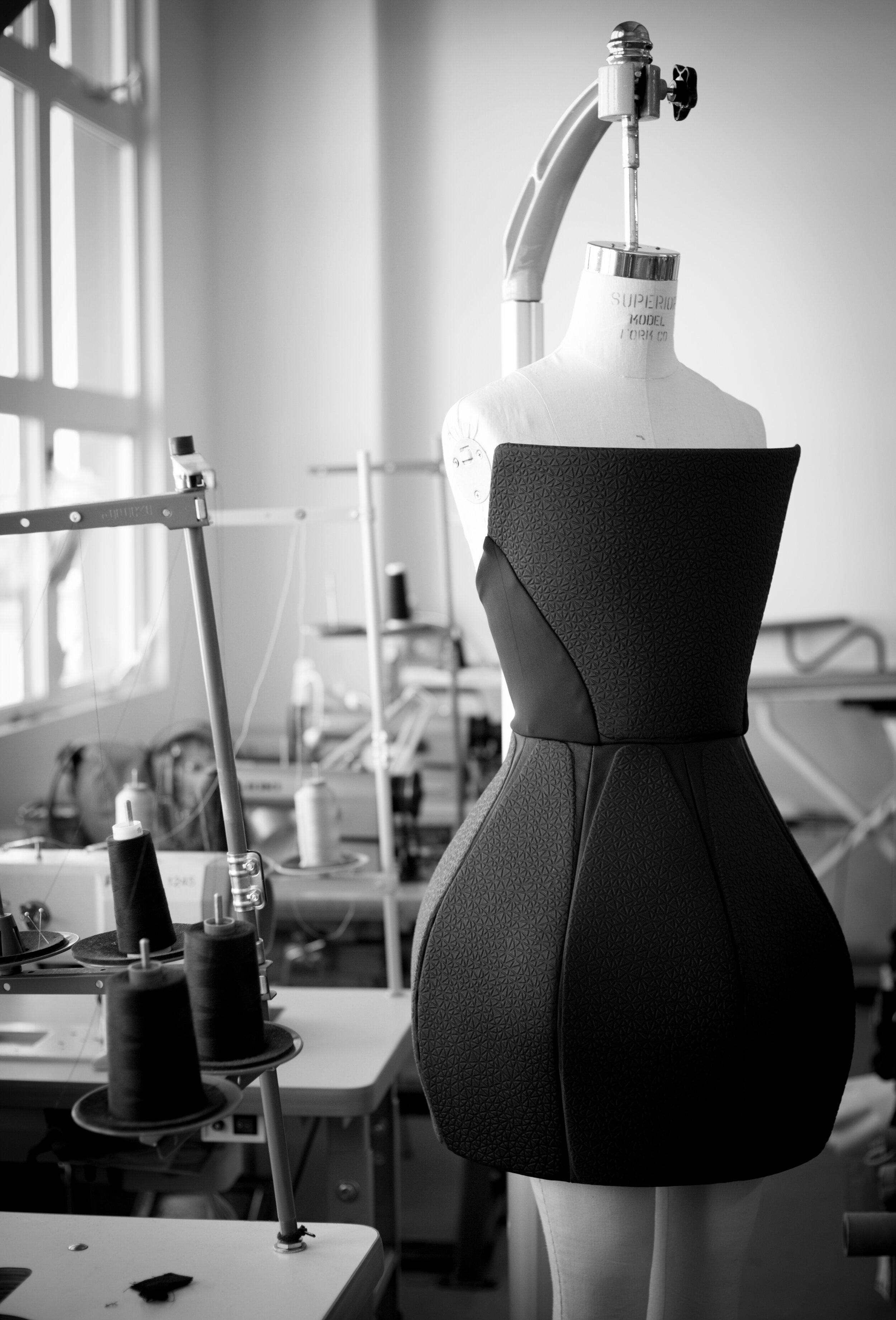
the little black dress
Connected Apparel / Product Innovation
Digimarc × Adobe × HP × Edward Harber
An idea that started with a simple question.
What if the technology we were embedding into packaging could live in fabric, too?
While working at Digimarc, I saw an opportunity to take Digimarc's digital watermarking technology beyond packaging and into apparel, creating a single digital identity that could connect consumers to products while helping brands address counterfeiting and supply-chain visibility.
For consumers, that could mean authenticating a garment, learning about its origins or unlocking an interactive experience. For brands, it opened possibilities for tracking products through the supply chain, protecting against counterfeiting and understanding how products move through the world.
Making the technology part of the design.
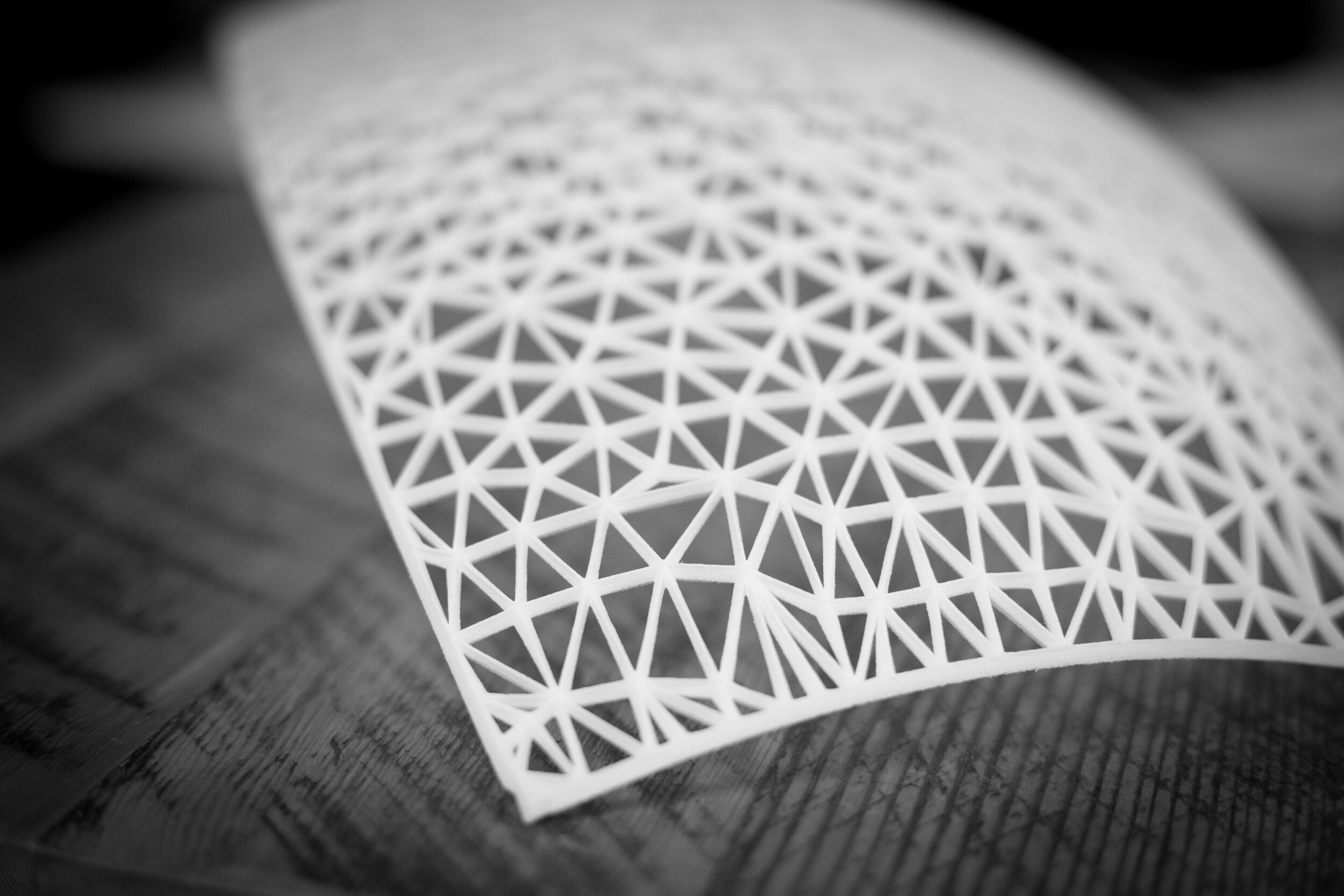
I worked closely with Digimarc engineers to explore what we called Signal Rich Art, integrating machine-readable information directly into patterns and artwork.
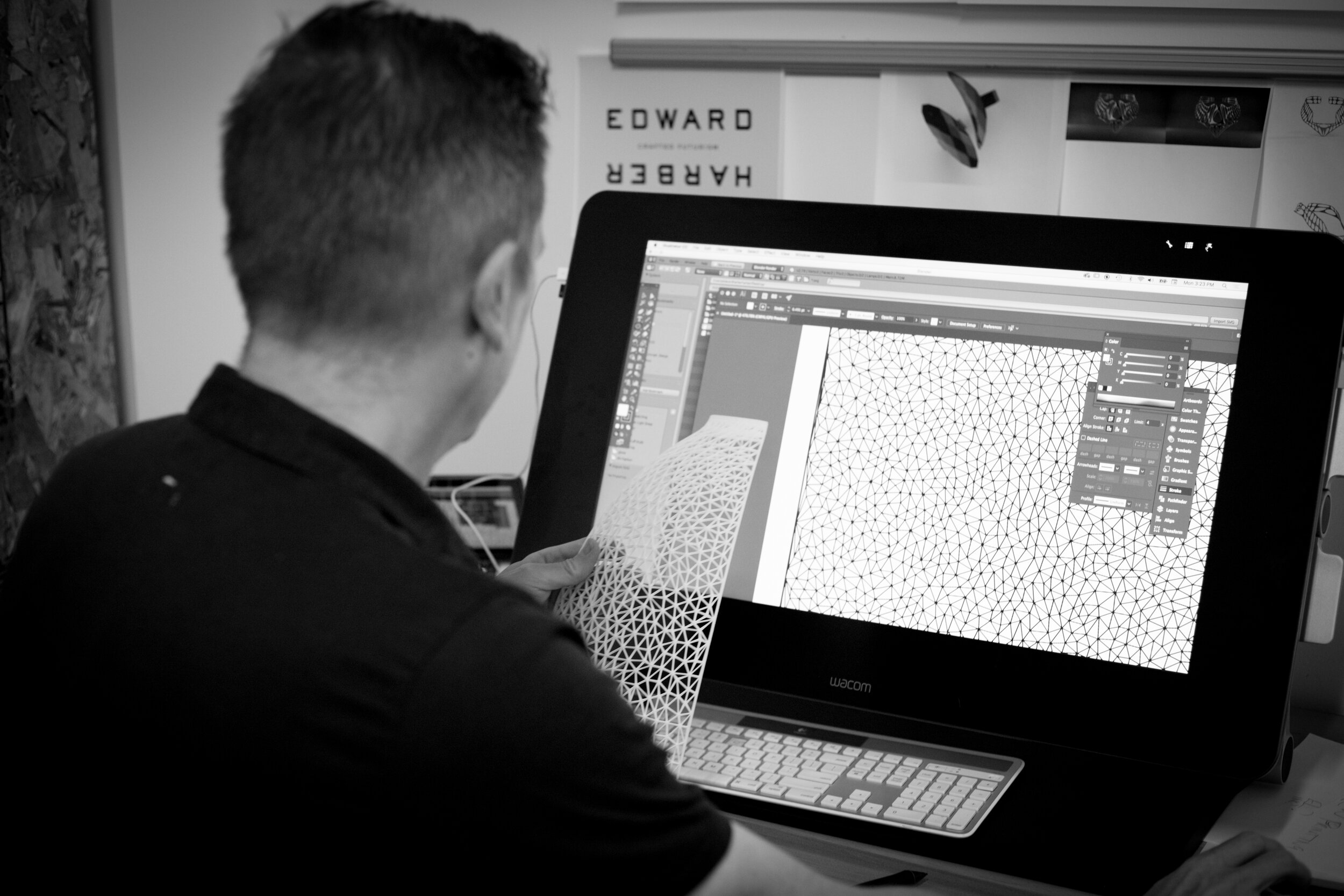
We explored applications across digitally printed fabrics and woven sports jersey patches, alongside developments in Photoshop and Illustrator tools that made the technology more accessible to designers.
The challenge wasn't simply making the technology work. It was finding ways to integrate it into the creative process without compromising the design.
From concept to collaboration.
The Little Black Dress started as an idea I wanted to explore, but bringing it to life meant finding the right people and technology to make it possible.
I partnered with fashion designer Edward Harber, Adobe and HP teams to create two visually identical dresses, each carrying its own unique digital identity. What looked like a simple black dress was actually a demonstration of how physical products could connect to entirely different digital experiences.
We debuted the concept at Adobe MAX, where I had the opportunity to present on the HP stage and share the possibilities of connected apparel, from consumer engagement and authentication to supply-chain visibility and beyond.
Beyond the dress.
The Little Black Dress was always intended to demonstrate something bigger than fashion.
It was an exploration of how the physical and digital worlds could connect through technology already being developed, and how one concept could serve multiple needs across a product's lifecycle.
The work also led me to explore circularity and sustainability. While those applications presented opportunities, they raised questions about data infrastructure and environmental impact that were important to consider.
What started as an independent idea became a cross-functional innovation project involving creative, engineering and technology partners, publicly demonstrating new applications for an existing platform.
Related patents
Encoding Fabrics to Convey Digital Messages
Watermarking Arrangements Permitting Vector Graphics Editing